
Golf legend Phil Mickelson has once again found himself at the center of intense debate following a stark warning about his professional future. The statement “If LIV Golf collapses, Phil Mickelson will have nowhere left to go” has sparked widespread discussion across the sporting world. It highlights the growing divide between Mickelson and fellow icon Tiger Woods in terms of legacy and career options. Observers note the contrasting positions of the two players amid ongoing uncertainty in professional golf.
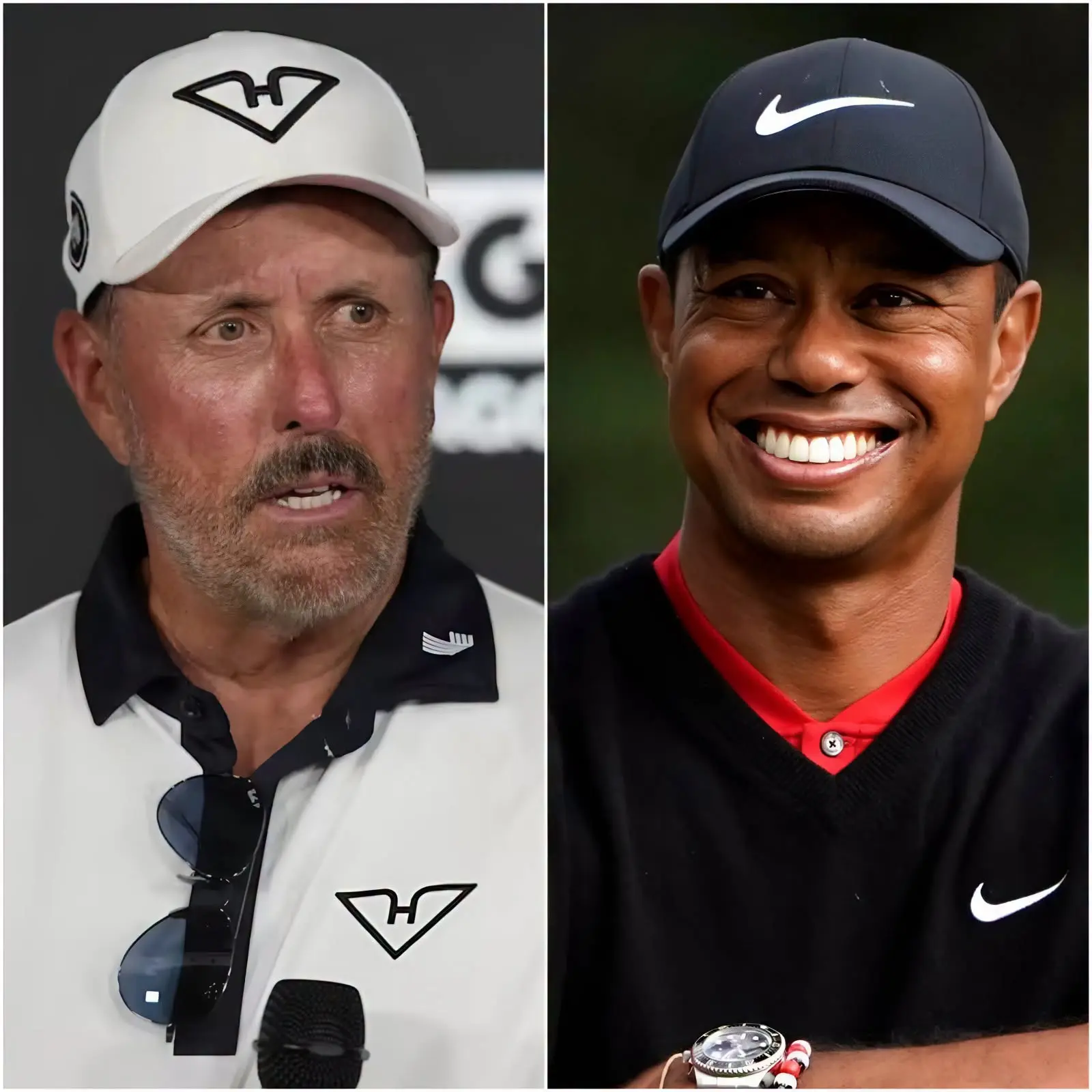
The prediction underscores deep divisions within the golf community. While Tiger Woods remains a universally respected figure who could seamlessly return to traditional tours, Mickelson’s path appears more complicated. His prominent role in the launch and promotion of LIV Golf has tied his brand closely to the Saudi-backed circuit. Should the league encounter significant challenges, Mickelson might face limited opportunities elsewhere. This situation has fueled conversations about loyalty, legacy, and the evolving landscape of professional golf.
Professional golf has undergone dramatic changes in recent years. The emergence of LIV Golf introduced substantial financial incentives and a new competitive format that attracted several top players. Mickelson was among the first major names to join, citing desires for innovation and better compensation for athletes. His decision generated both support and criticism from fans and fellow professionals. The circuit continues to operate alongside traditional tours, creating ongoing tension within the sport.
Tiger Woods, by contrast, has maintained a more traditional stance. His commitment to the PGA Tour and established events has reinforced his status as one of golf’s most enduring figures. Woods’ approach has earned him admiration across different factions of the golf world. This contrast with Mickelson’s choices has become a focal point for analysts examining the sport’s future direction and player allegiances.
The warning about Mickelson’s potential vulnerability reflects broader concerns about the stability of emerging leagues. LIV Golf has invested heavily in talent and infrastructure, yet questions remain about its long-term viability. Industry experts point to challenges including scheduling conflicts, fan acceptance, and integration with major championships. For players like Mickelson who have heavily invested their personal brands in the venture, any downturn could have significant professional repercussions.
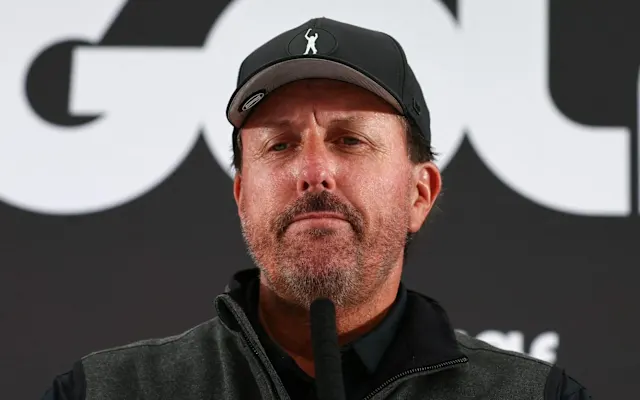
Mickelson’s career spans decades of remarkable achievements. The left-hander has secured six major championship victories and countless other titles. His charismatic personality and competitive spirit have made him a fan favorite for generations. However, recent career decisions have polarized opinions. Supporters praise his willingness to embrace change, while critics question the impact on his legacy and relationships within the sport.
The golf world continues to navigate a period of transformation. Traditional tours and new circuits are seeking ways to coexist or compete more effectively. Discussions about unification, player rights, and the future of the game remain ongoing. Mickelson has consistently expressed optimism about his choices and the potential benefits for professional golfers. His perspective adds an important voice to debates about the sport’s evolution.
Analysts suggest that Mickelson’s future options would depend on multiple factors. These include the overall health of professional golf, his personal performance levels, and relationships with key stakeholders. Woods, meanwhile, benefits from a carefully cultivated image of excellence and tradition. This difference in positioning has become a compelling narrative within golf media coverage.
Fan reactions to the warning have been mixed. Some express concern for Mickelson’s legacy, while others view it as an overstatement of potential risks. Social media platforms have hosted extensive discussions comparing the careers and choices of Mickelson and Woods. The conversation reflects deeper questions about loyalty, innovation, and personal brand management in modern professional sports.
The PGA Tour and other established organizations continue to adapt to new realities. Increased prize money, strategic partnerships, and efforts to engage younger audiences demonstrate ongoing evolution. Mickelson’s involvement with LIV Golf positioned him as a pioneer willing to challenge conventional structures. This role carries both opportunities and potential challenges as the sport moves forward.
Looking ahead, the golf calendar remains packed with major events and international competitions. Players must balance individual goals with the broader interests of the sport. Mickelson has shown remarkable resilience throughout his career, overcoming various obstacles both on and off the course. His ability to navigate current uncertainties will be closely watched by observers worldwide.
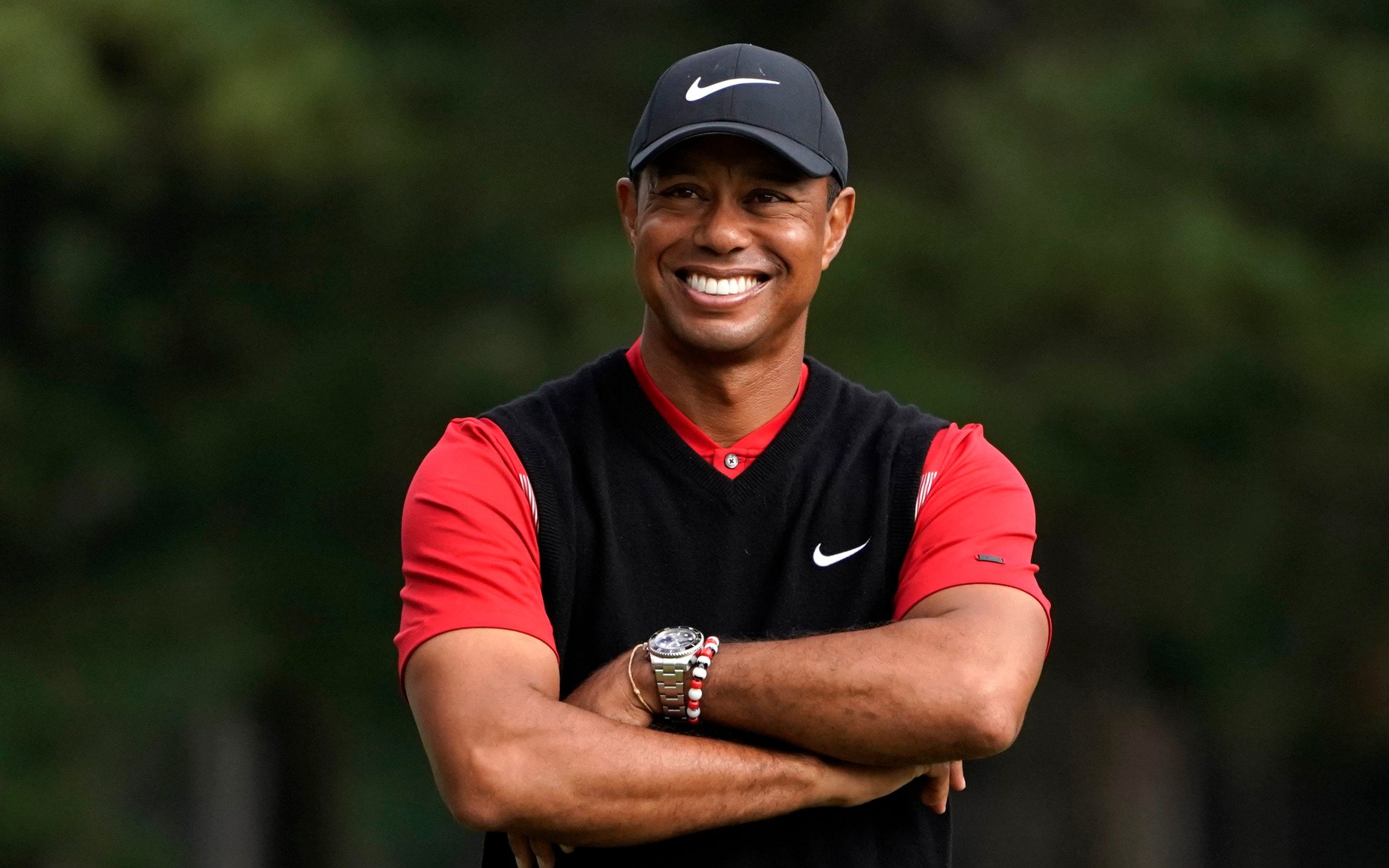
The divide between traditional and emerging models in golf mirrors trends seen in other professional sports. Athletes increasingly seek greater control over their careers and financial futures. Mickelson has been vocal about these issues, advocating for improved conditions for players. His perspective continues to influence discussions about the future governance and structure of professional golf.
Regardless of future developments, Mickelson’s contributions to the sport remain significant. His competitive achievements and engaging personality have helped popularize golf across different demographics. As the sport evolves, his role as both player and influencer will likely continue shaping conversations for years to come. The golf community watches with interest as these storylines unfold.
Industry leaders emphasize the importance of unity and collaboration moving forward. Finding common ground between different circuits could benefit players, fans, and the sport overall. Mickelson has expressed hope for positive resolutions that prioritize athlete interests. His experience and perspective offer valuable insights into the challenges facing modern professional golf.
The coming months promise continued developments in the golf world. Major championships, league negotiations, and player decisions will all contribute to the ongoing narrative. For Phil Mickelson, the focus remains on performing at the highest level while navigating an increasingly complex professional landscape. His journey continues to captivate audiences around the globe.